
The heist subgenre is one of gaming's most reliable design templates. Why every great heist game eventually heads to the vault sits inside that lineage — and this piece walks through what's worth knowing before you commit weekend hours to it.
We've covered this kind of game on the site before, but the angle here is slightly different. Less 'review with a score', more 'context, references, what makes the setting work'.
Why the setting works
A high-stakes venue gives designers a tight, legible space full of NPCs, money, and immediately readable consequences. That's why heist games keep coming back to it — the venue floor is essentially a level designer's dream: clear sightlines, fixed loot locations, and a built-in social-engineering layer.
It's also why bad versions of this trope stick out. When the lights, the ambient SFX, and the NPC density don't line up, you can feel it immediately. The set-piece is one of the few settings where 'wrong atmosphere' breaks the whole sequence.
What this piece covers
We're going to walk through the structure, the standout moments, and the design choices that make the heist sequences in this game memorable — or, occasionally, not.
Final thoughts
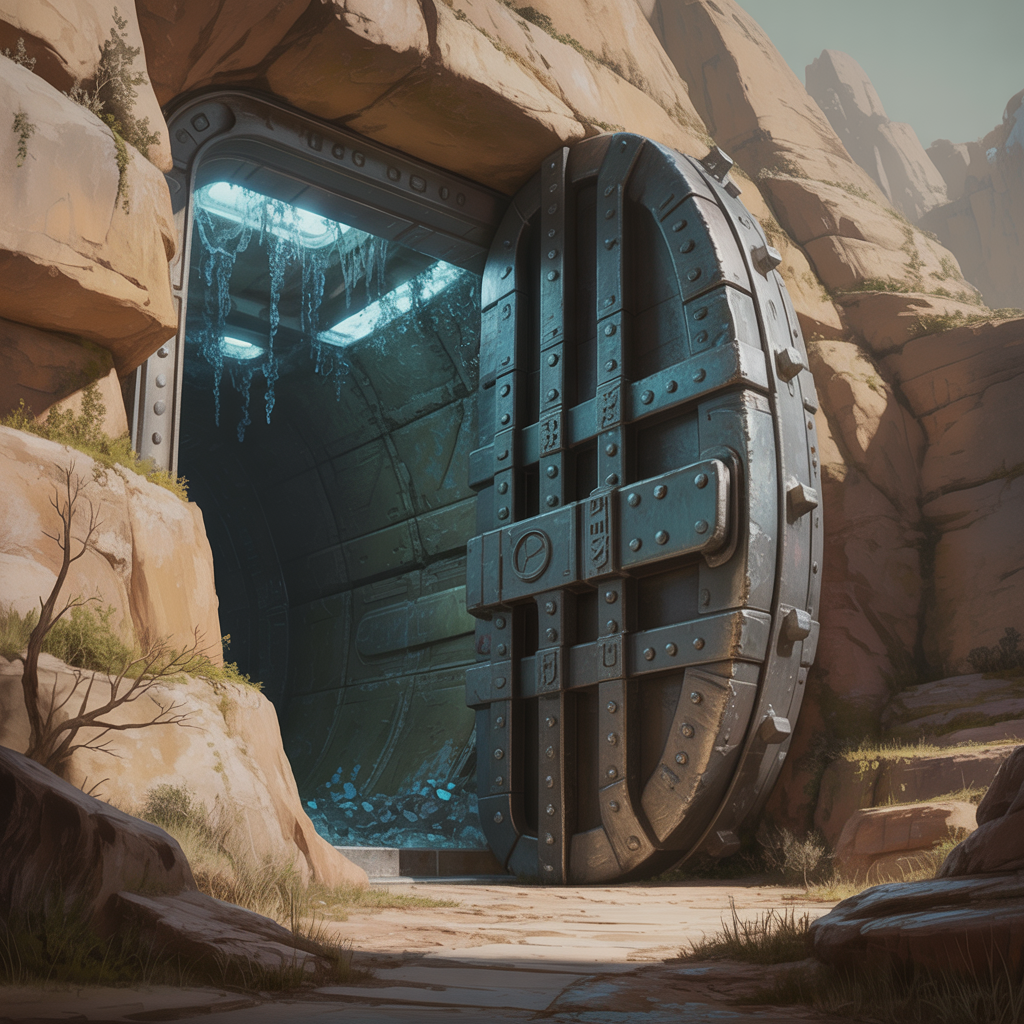
If you came in expecting a window-dressing sequence, you might be surprised by how central the central mission, the social mechanics, and the heist set-pieces actually are. The casino isn't decoration here — it's the engine.
Whether you stick with it for the full 30+ hours or treat it as a single-weekend curiosity, knowing what to look for makes the standout sections land harder.
Frequently asked questions
What's the standout set-piece in this game like?
Mission-driven and well-paced. Multiple approach angles — stealth or loud — and consequences depend on enemy AI and scripted triggers. Most players settle into a rhythm by the second attempt.
How long is the major mission arc in this game?
Around 4-8 hours depending on how thoroughly you scout. The full campaign is significantly longer; this arc is one set-piece among many.
Do I need prior series knowledge before playing this game?
Most entries in this lineage stand alone. Helpful context if you've played the predecessors, but not required. Each title resets the player's frame of reference.
What makes a heist-style sequence land?
Sightline clarity, NPC density, audio cues, set-piece pacing. When all four align, the sequence is memorable. When even one's off — say, flat NPC behaviour — it falls flat.
Is this game accessible to newcomers to the genre?
Generally yes. Systems are introduced gradually and difficulty is forgiving on default. Veterans will get more from the deeper systems, but the surface layer welcomes new players.
Which films influenced this design lineage?
Soderbergh's Ocean's Eleven, Mann's Heat, and Scorsese-era crime films are the obvious roots. Designers from this subgenre have cited those films in interviews going back twenty years.
Comments
Comments are moderated. Be civil — disagreement is fine, abuse isn't.
The context-over-score framing is exactly why I come to GreenCornerPlay instead of just reading a Metacritic summary. The section about what makes the subgenre feel earned rather than formulaic is doing most of the heavy lifting here and it earns it. Would read a follow-up specifically on the games where the vault is empty or a fake-out — that seems like its own conversation.
The vault fixation is real, but I think the piece undersells how much of what makes these games click happens in the prep phase, not the score itself. Payday 2 at its best was a planning game with a shooting game stapled to the back. Same with Monaco — the tension peaks before anyone touches a door handle. When the vault becomes the payoff rather than just a location marker, something usually goes wrong with the pacing. The games in this lineage that hold up longest are the ones where you remember the whole job, not just the ending. That's the design conversation I wanted this piece to have, and I think it got close but pulled back.
There's a useful distinction the piece doesn't quite land on: heist games that use the vault as a climax versus heist games that use it as a reveal. In a climax vault, you fight your way in. In a reveal vault, what's inside recontextualizes the whole run — think of how some roguelikes do this with final room lore. The best designs in this space are doing the second thing but marketing themselves as the first, which is probably why the subgenre feels fresher to new players than to people who've been tracking it for years. Not a criticism of the article, more of an addendum.
genuine question from someone who mostly plays RPGs — is the heist structure compatible with open-world design or does it always need tight corridors and fixed objectives to work? Because the piece kind of implies the vault ending is almost structurally inevitable, which makes me curious whether that's a genre ceiling or just habit.
disagree that the template is 'reliable' — the last four heist games i bought all fell apart in act two
the vault as metaphor angle is actually pretty clever, didnt expect to come here and think about game design theory on a tuesday
Grew up watching my older brother play Thief on a CRT so I have maybe too much nostalgia attached to this subgenre. What strikes me reading this is how consistent the emotional beat is across thirty years of games — that specific quiet before the alarm goes off. Whether that's good design inheritance or everyone copying everyone else is the real question the piece is circling.